What to Check Before Booking a Desert Buggy Adventure in Dubai
Before booking a dune buggy tour dubai, it helps to look past the photos and think about the practical details that shape the day. A desert drive can feel very different depending on the route, the pace, the group size and the time of year. A little careful reading before you reserve a place can prevent mismatched expectations later, especially if this is your first time driving on sand.
The best approach is to treat the booking as a short decision process rather than a quick choice. Look at what is included, what is expected from you and what the desert conditions may be like. A buggy is not the same as a city vehicle, and the Dubai desert changes throughout the day. Clear information at the start makes the experience easier to enjoy.
Driving requirements and who can join
Start by checking the driving rules for the tour. Some buggy experiences are designed for drivers with previous off road familiarity, while others are arranged so beginners can take part with guidance. Age limits, licence requirements and passenger rules can vary, so read them before making plans around the activity.
If you are booking as a couple, a family or a group of friends, check whether everyone expects to drive or whether some people will ride as passengers. This matters because a shared buggy changes the pace and comfort of the day. Also ask what happens if two people want to switch drivers. A clear answer helps avoid confusion at the start point.
Physical comfort is worth considering too. Sand driving involves bumping, dust, heat and periods of sitting in a low vehicle. Anyone with back trouble, neck issues or sensitivity to rough movement should think carefully before choosing a longer route. The aim is to match the tour to the group, not to push everyone into the same plan.
What the buggy experience actually includes
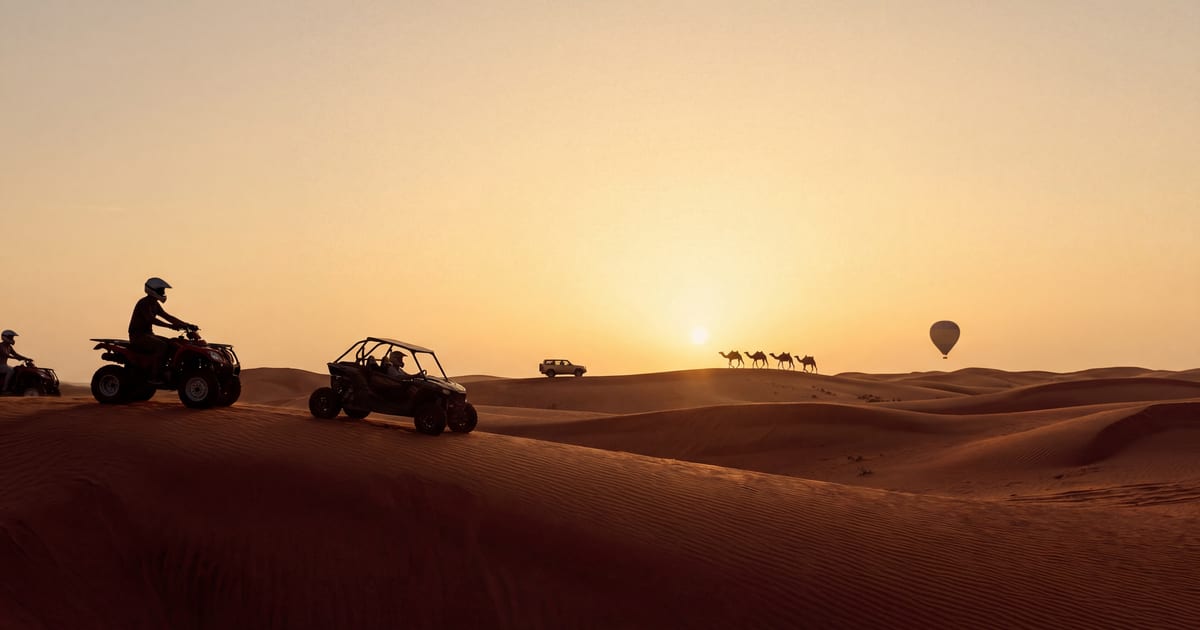
The phrase dune buggy tour dubai can cover a range of formats. Some outings focus mainly on driving, while others combine a desert trail with stops for photos, sandboarding, a camel ride or a BBQ dinner. Read the description closely and separate the main activity from the extras. A packed itinerary may sound appealing, but it can also reduce the time spent driving.
Check whether the route is described in general terms or with useful detail. A good description gives a sense of distance, terrain, stops and overall rhythm without promising an exact experience every time. Desert conditions shift, and a responsible plan allows for changes. What you want is clarity about the style of the outing, not a script that ignores the landscape.
Another point to check is the level of instruction. New drivers may need a briefing on steering, braking and what to do when the buggy begins to slide or bog down. Experienced drivers may prefer a route with more open stretches. Think about your own confidence and choose a format that fits it. Overestimating skill can make the day stressful, while choosing something too gentle can feel limiting.
Safety equipment and basic preparation
Safety should be easy to understand before the booking is confirmed. Check whether helmets, seat belts and any required driving equipment are provided, and whether the tour has a clear safety briefing. You do not need technical knowledge to ask sensible questions. If the answer is vague, that is a sign to pause and look for clearer information.
Clothing also deserves attention. Light, breathable layers work better than heavy clothes in warm weather, and closed shoes are more practical than sandals. Sunglasses can help with glare, while a scarf or face covering may be useful where sand is blowing. Dust is part of desert driving, so protecting eyes, skin and belongings can make the day more comfortable.
- Check whether a helmet is included and whether it is adjusted properly before departure.
- Ask how the group handles stops, regrouping and slower drivers on the route.
- Confirm what happens if weather or desert conditions affect the planned route.
- Find out whether refreshments are part of the outing or need to be arranged separately.
- Read the cancellation terms so you know what applies if plans change.
Time of day and desert conditions
Timing changes the feel of the trip. A morning outing may be cooler and calmer, with softer light for photos. A sunset tour can feel more dramatic, though temperatures and wind can still affect comfort. Later drives may suit people who prefer a cooler evening, but visibility and dust can become more noticeable as the day moves on.
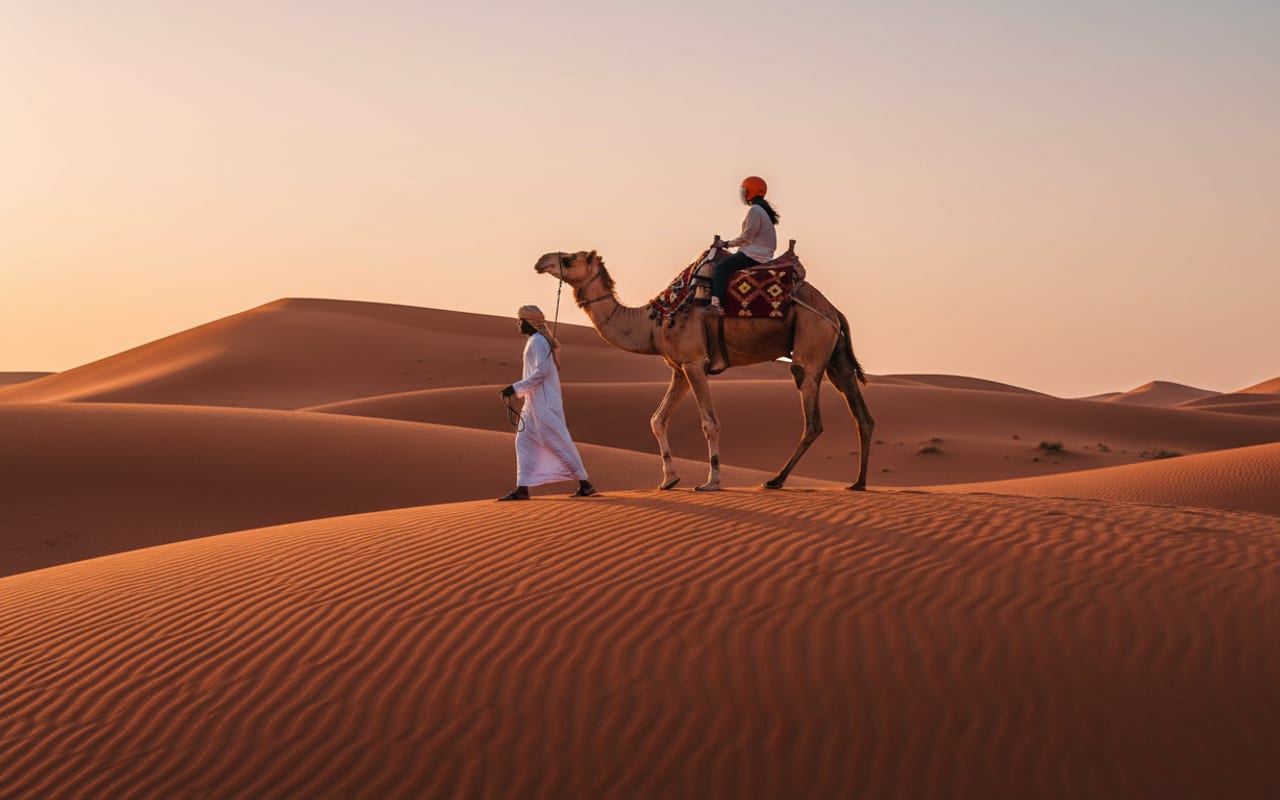
Season matters as well. The Dubai desert can be harsh in the hotter months, and midday heat is not something to take lightly. If you are sensitive to heat, look for a time that reduces direct exposure and ask how breaks are handled. During cooler months, the desert may still feel warm during the day and chilly after sunset, so flexible clothing is sensible.
It is also useful to understand that sand is not a fixed surface. Soft dunes, firm tracks and rocky patches all require different handling. A route that looks straightforward in a photo may involve turns, slopes and sudden changes in grip. This is part of the appeal, but it is also why instruction and route planning matter.
Insurance, terms and clear communication
Before confirming, check what the booking terms say about damage, delays and changes. Buggy driving carries a different risk profile from a standard sightseeing trip, so the wording deserves a careful read. Look for plain explanations rather than reassuring phrases that leave practical questions unanswered.
Communication is part of the decision. A useful booking page or enquiry response should make it clear what is included, what is not included and what the driver needs to bring. If you are comparing options, keep notes on each point so the differences are easier to see. This is where atvdubaidesert.com can be treated like any other site you are reviewing: read the details, compare them with your needs and look for clear answers.
It is wise to ask about group size as well. A smaller group often allows more space on the sand and more direct attention during the briefing. A larger group can still work well, but the pace may be shaped by the slowest or fastest participants. Think about whether you want a social outing, a focused drive or a mix of both.
Extras, photography and personal belongings
Many travellers like the idea of stopping for photos during a Dubai Safari style outing. Check whether photo stops are built into the route and whether there are places to pause safely. Do not assume that every scenic point is suitable for stepping out of the buggy. Sand shifts underfoot, and vehicles need space to move without crowding each other.
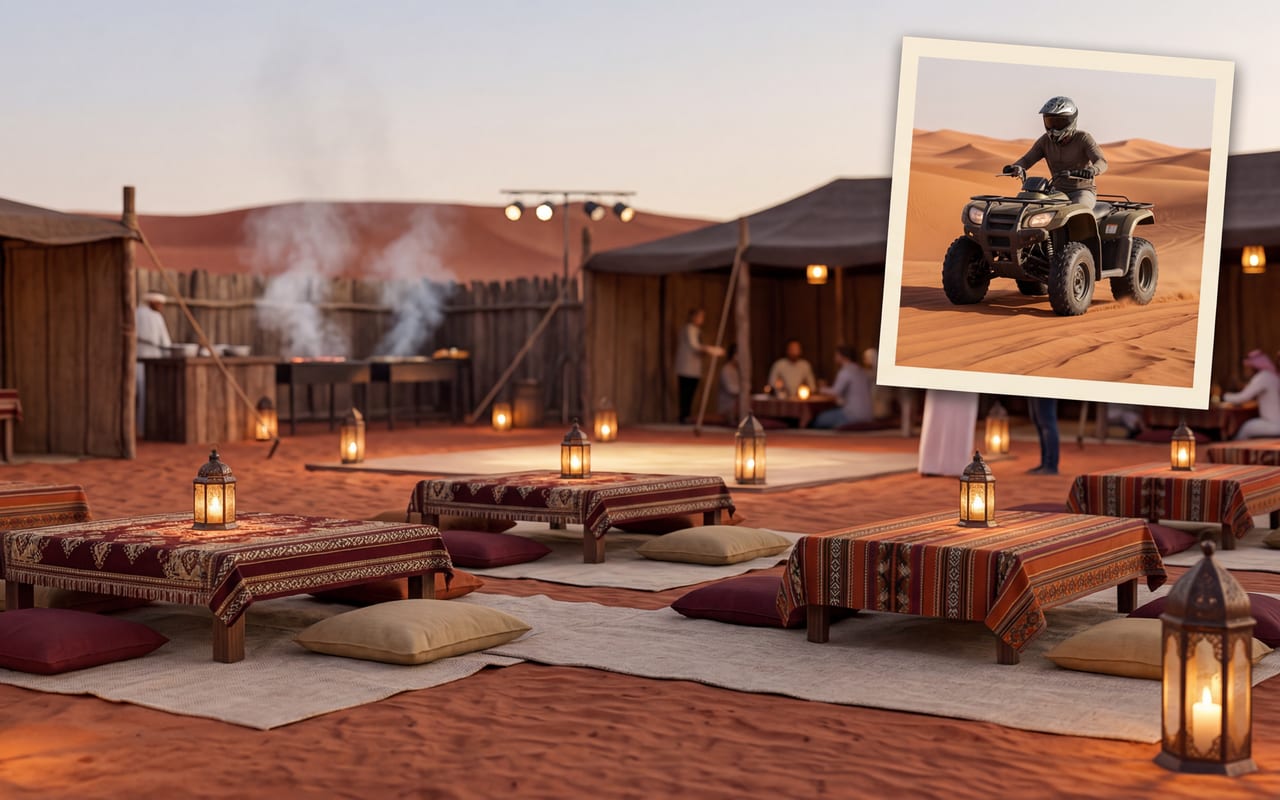
If sandboarding is included, check whether it is optional. Some people enjoy the short burst of sliding down a dune, while others prefer to watch or stay with the group. A flexible plan is easier to enjoy than one where every activity feels compulsory. The same applies to a camel ride or a BBQ dinner if they are part of a longer package.
Think about what you will carry. Phones, cameras and wallets can collect dust quickly, so a sealed pouch or secure pocket is useful. Loose items can fall out during rough sections. It is also worth keeping valuables minimal. The desert setting is part of the attraction, and travelling light makes the drive less cluttered.
How to compare options without rushing
When two tours look similar, compare the details that affect your day rather than the marketing language. Route style, driving time, group size, safety equipment, timing and included extras are more useful than broad promises. A shorter outing with a clear plan may suit some people better than a long itinerary packed with stops.
Read recent information where available and pay attention to consistency. If the same point is described in different ways, ask for confirmation before booking. Names such as atvdubaidesert.com may appear while you research, but the decision should rest on whether the listed details match what you want from the desert.
A dune buggy trip is at its best when the expectations are realistic. You are choosing an active desert outing, not a smooth road transfer. Dust, motion and changing terrain are part of the experience. Once the practical points are settled, it becomes much easier to relax and enjoy the drive, the open dunes and the wider desert setting.
Ends · DUNEBUGGYTOURDUBAIJOURNAL